Sainsbury Institute logo
Skip to content
NARA TO NORWICH
  • Exhibitions
    • Online Exhibition
      • Stories
      • Exhibits
    • Nara to Norwich at The Forum
    • Virtual Exhibition
  • Sacred Landscapes
    • Pilgrimage
    • Get involved
    • Pilgrimage Q&A
  • Maritime Routes
    • Indian Ocean Networks
    • Viking River Routes
  • Blog
  • About
    • About the Project
    • People
    • Timeline
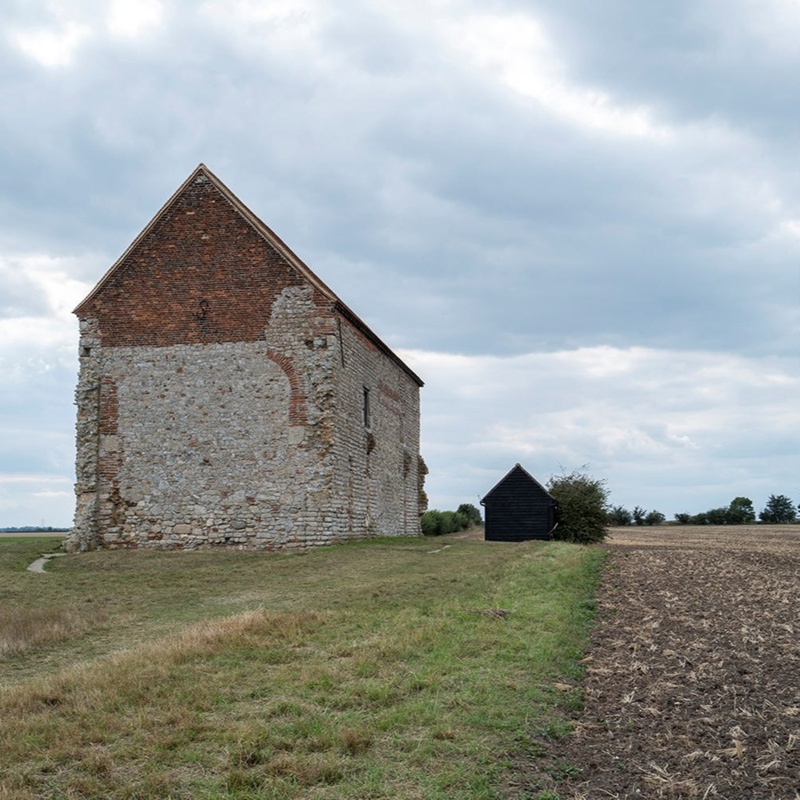
Chapel of St Peter-on-the-Wall, <a href="https://www.bradwellchapel.org/chapel/the-chapel"target="_blank">Bradwell-on-Sea, Essex</a>; c.654; England; EXH16: St Peter-on-the-Wall
  • Chapel of St Peter-on-the-Wall, <a href="https://www.bradwellchapel.org/chapel/the-chapel"target="_blank">Bradwell-on-Sea, Essex</a>; c.654; England; EXH16: St Peter-on-the-Wall
  • Chapel of St Peter-on-the-Wall, <a href="https://www.bradwellchapel.org/chapel/the-chapel"target="_blank">Bradwell-on-Sea, Essex</a>; c.654; England; EXH16: St Peter-on-the-Wall
  • Chapel of St Peter-on-the-Wall, <a href="https://www.bradwellchapel.org/chapel/the-chapel"target="_blank">Bradwell-on-Sea, Essex</a>; c.654; England; EXH16: St Peter-on-the-Wall
  • Chapel of St Peter-on-the-Wall, Bradwell-on-Sea, Essex.; c.654; England (https://www.recordinguttlesfordhistory.org.uk/saffronwalden/swimages03.html)
  • Chapel of St Peter-on-the-Wall, <a href="https://www.bradwellchapel.org/chapel/the-chapel"target="_blank">Bradwell-on-Sea, Essex</a>; c.654; England; EXH16: St Peter-on-the-Wall
  • Chapel of St Peter-on-the-Wall, <a href="https://www.bradwellchapel.org/chapel/the-chapel"target="_blank">Bradwell-on-Sea, Essex</a>; c.654; England; EXH16: St Peter-on-the-Wall
  • Chapel of St Peter-on-the-Wall, <a href="https://www.bradwellchapel.org/chapel/the-chapel"target="_blank">Bradwell-on-Sea, Essex</a>; c.654; England; EXH16: St Peter-on-the-Wall
  • Chapel of St Peter-on-the-Wall, <a href="https://www.bradwellchapel.org/chapel/the-chapel"target="_blank">Bradwell-on-Sea, Essex</a>; c.654; England; EXH16: St Peter-on-the-Wall
  • Chapel of St Peter-on-the-Wall, <a href="https://www.bradwellchapel.org/chapel/the-chapel"target="_blank">Bradwell-on-Sea, Essex</a>; c.654; England; EXH16: St Peter-on-the-Wall
  • Chapel of St Peter-on-the-Wall, <a href="https://www.bradwellchapel.org/chapel/the-chapel"target="_blank">Bradwell-on-Sea, Essex</a>; c.654; England; EXH16: St Peter-on-the-Wall
  • Chapel of St Peter-on-the-Wall, <a href="https://www.bradwellchapel.org/chapel/the-chapel"target="_blank">Bradwell-on-Sea, Essex</a>; c.654; England; EXH16: St Peter-on-the-Wall
  • Chapel of St Peter-on-the-Wall, <a href="https://www.bradwellchapel.org/chapel/the-chapel"target="_blank">Bradwell-on-Sea, Essex</a>; c.654; England; EXH16: St Peter-on-the-Wall
  • Chapel of St Peter-on-the-Wall, <a href="https://www.bradwellchapel.org/chapel/the-chapel"target="_blank">Bradwell-on-Sea, Essex</a>; c.654; England; EXH16: St Peter-on-the-Wall

Name/TitleChapel of St Peter-on-the-Wall, Bradwell-on-Sea, Essex

About this objectThe oldest extant church building in England and the only Celtic church still intact, St Peter-on-the-Wall was built around 654 by Cedd, a monk who had been brought up in the Irish Christian settlement on Lindisfarne. According to Bede's account, he was sent first to Mercia to convert the Middle Angles, but his success was limited. He then went to the East Saxon kingdom where a Roman Christian mission had been established by St Augustine of Canterbury in 597, again with limited success. Cedd established Celtic monasteries at Tilbury and at Bradwell-on-Sea and caried out baptisms at Rendlsham [EXH17]. At Bradwell, building materials from the Roman fort were used for the new monastery and church buildings.
Only the nave of the church remains today, but the outlines of the eastern apse, and of the north and south porticus can be seen on the ground. It was in the Celtic rather than Roman style, with a tall nave with no side chambers, and a rectangular chancels. The monastery was destroyed during Danish raids in the 9th century.
Cedd returned as a Bishop to the monastery he founded at Lastingham in his native Northumberland. He was buried there on his death in 664, after the Synod of Whitby at which it was agreed to adopt the Roman calendar and practices of the Roman church in place of the Celtic ones. Christianity remained precarious here for several decades.

Date Madec.654

PeriodAnglo-Saxon

Place MadeEngland

Subject and Association KeywordsArrivals

Subject and Association DescriptionLearn more: Bede 1990; Secker 2019; Taylor 1965: pp. 91–3.

Credit LinePhotograph by John Falconer.

Object numberEXH16: St Peter-on-the-Wall

Back to Exhibits Page

Resources

  • Bibliography
  • Glossary
  • Flickr gallery

About us

  • About the Project
  • People
  • Timeline

Contact Us

  • Contact Form

Thank you to our partner:

  • © Nara to Norwich
  • Privacy policy
University of East Anglia Nara to Norwich
By Posterity
Scroll Up